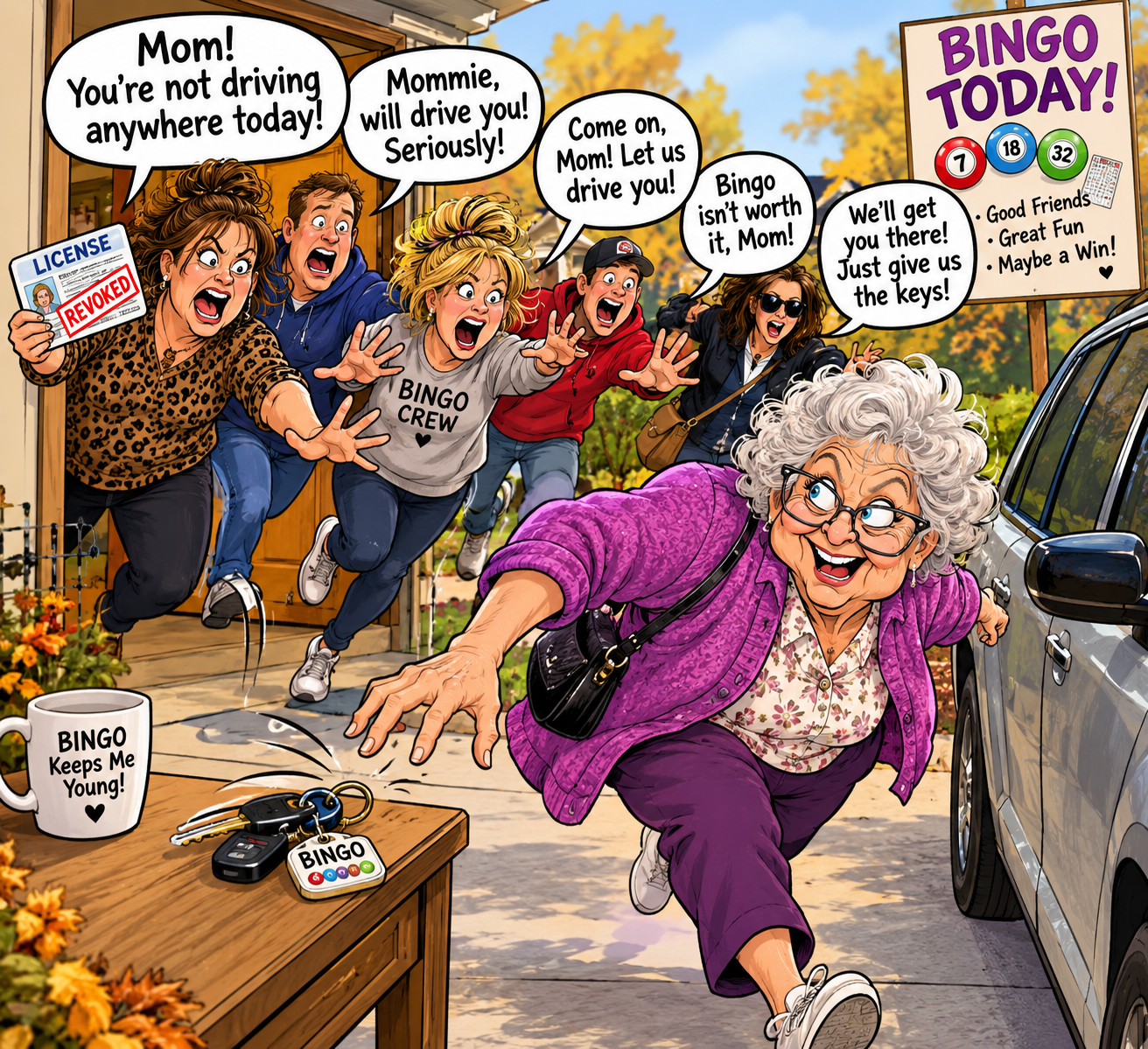
One of the most difficult conversations families might have is about whether an older person should cease driving. “A car gives you independence, freedom, and mobility, but safety has to be the top priority. There is no age at which a person automatically has to quit driving. Instead, families should watch for signs that a person may not be able to drive safely any more.
Common car accidents or fender benders
Repeated accidents, even small ones, may be a sign of a decline in driving ability. Take seriously several inexplicable dents, scrapes, or insurance claims.
Getting Lost in the Familiar
If an elderly motorist experiences confusion on roads they have been driving for years, it could be a sign of memory, judgment, or spatial awareness difficulties.
Mixing up the gas and brake pedals
Pedal mistakes can be serious. Repeatedly confusing the accelerator and brake is a major sign that you may not be safe to drive.
Slowed or Delayed Responses
Safe driving means quick responses to sudden stops, pedestrians, changing traffic lights, and other hazards. Responding noticeably slower. Increased likelihood of crash.
Problems with vision
Driving with difficulty seeing traffic signs, pedestrians, lane lines, or other vehicles can be dangerous. Regular vision exams are particularly crucial for senior drivers.
Side Effects of Medication
Some medicines may make you feel sleepy, dizzy, confused, or slow to react. Families should ask a doctor or pharmacist about any possible side effects that might affect driving.
Driving the Wrong Way on the Road
Repeated lane breaches such as drifting across lane markers or driving the opposite way are severe safety hazards and should be taken seriously.
Difficulty in Handling Traffic
A senior driver can get flustered by crossroads, highways, roundabouts, heavy traffic, or left turns, and their ability to cope safely with complex situations may be reduced.
Family Members Becoming Concerned
Sometimes passengers see problems before the driver does. If multiple family members independently report risky driving, it is crucial to take their concerns seriously.
A Driving Evaluation: A Doctor’s Advice
A doctor, an occupational therapist, or a competent driving evaluator can identify concerns that family members might overlook. A professional examination offers an impartial assessment of driving abilities.
How Does a Family Approach the Conversation?
Towing someone’s car should be a last resort—only used when there is an immediate safety emergency. Begin with a respectful discourse about the purpose of the training, which is to protect the driver and everyone else on the road.
Consider options such as not driving at night, avoiding the highways, getting a ride from someone, taking public transit, or having a family member drive you.
However, if there is an immediate and substantial risk of injury, family members may need to act immediately and seek professional or medical advice.
There is no desire to take away an elderly person’s independence. The goal is to identify the safest way for them to remain independent without placing themselves or others at unnecessary risk.
When Should an Elderly Person Quit Driving? 10 Warning Signs That It May Be Time To Take Away The Car

Byadmin
Oct 7, 2026